Choosing a 30×30 or 24×30 Bathroom Mirror That Fits Your Vanity
30×30 versus 24×30: choose the usable width first
Choose a 30×30 bathroom mirror when you want a square outline and have enough clear wall width; choose a 24×30 mirror when a narrower, portrait-shaped outline better fits the sink, lights, and surrounding fittings. Those dimensions are useful only after you confirm the unit, whether they include the frame, and which mounting orientations the manufacturer permits. A listing that says only “24×30” leaves important questions unanswered.
If the measurements are inches, 30×30 is approximately 76.2×76.2 cm, while 24×30 is approximately 61×76.2 cm. In portrait orientation, both are nominally 30 inches tall, but the square version is six inches wider. Rotating the rectangular version changes the layout to 30 inches wide and 24 inches tall, provided its mounting system allows this. A frame can reduce the visible reflecting area even when two products have identical outside dimensions.
Start with the space above the actual basin rather than assuming the basin is centered in the cabinet. Then check the width available between nearby walls or lights and the height between the faucet and overhead fittings. Manufacturer mirror sizing guidance recommends considering vanity width and clearance around the faucet and lighting. Treat proportions as design guidance; the installation instructions determine the requirements for a particular mirror.
For an illustrative 36-inch vanity, centering a 30-inch mirror leaves three inches on each side; a 24-inch mirror leaves six. This calculation assumes that the quoted dimensions are outside widths and that the vanity and mirror share a centerline. It does not establish enough space for sconces, an electrical enclosure, or mounting access.
Key takeaways: confirm units and outside dimensions, test the outline on the wall, choose the functions you will use, and verify the fixing method before ordering. A plain mirror that fits comfortably may be a more useful purchase than a feature-rich mirror requiring unplanned wiring or wall alterations. Make those practical decisions before choosing a frame color.
Framed, frameless, illuminated, and cabinet mirrors
A framed mirror creates a defined boundary around the reflection. The frame can coordinate with other finishes or act as a separate accent. However, its width affects how much reflecting surface you receive, and its depth affects the appearance from the side. Ask for both overall dimensions and visible glass dimensions when the distinction matters to a small bathroom.
A frameless mirror puts more visual emphasis on the glass outline. Check how its edges are finished and how clips, brackets, or a rear rail will look after installation. “Frameless” describes appearance, not a fixing method or permission to attach the mirror with any adhesive. An installation diagram is more informative than a photograph taken straight on.
Illuminated mirrors add another decision: where the light goes. A decorative glow behind the mirror and light directed toward the user’s face serve different purposes. Examine the stated lighting arrangement rather than assuming every LED mirror will provide enough task lighting. If specifications include dimming, color-temperature adjustment, or a separate demister, establish how each control works and whether settings are remembered after power is switched off.
Mirror cabinets add storage and door movement. Surface-mounted and recessed designs require different wall preparation, and a nominal 24×30 door does not necessarily describe the cabinet body or required opening. Measure projection and door swing as well as the front outline. Shelves and internal compartments are useful only if they accommodate the items you intend to store.
| Type | Main reason to consider it | Information to verify |
|---|---|---|
| Framed mirror | A visible decorative border | Outside width, glass area, frame depth |
| Frameless mirror | A simple glass outline | Edge finish, exposed fixings, backing |
| Illuminated mirror | Integrated lighting or controls | Power supply, light direction, installation instructions |
| Mirror cabinet | Reflection plus enclosed storage | Body dimensions, projection, recess and door clearance |
These categories can overlap. A framed mirror may include lighting, while a cabinet may have a frameless-looking door. Compare the complete configuration instead of treating the category name as a quality grade. Choose the simplest combination that meets your storage, reflection, and lighting needs.
What should you check to judge bathroom mirror quality?
Begin with information quality. A useful specification sheet identifies overall dimensions, weight, frame material where applicable, bathroom suitability, mounting components, and care instructions. For a powered model, it should also identify electrical requirements and installation conditions. If any decisive detail is missing, ask for clarification before treating the mirror as suitable for your bathroom.
Next, assess the reflection. Check available close-up images and written descriptions for the glass and edge treatment, while recognizing that photographs cannot reliably prove freedom from distortion. On delivery, inspect the reflection from ordinary grooming distance and look across the surface for obvious irregularities. Examine corners and edges for chips before installation; do not mount damaged glass while waiting for a seller response.
For the frame and backing, prioritize documented suitability for the intended room over vague descriptions such as “premium” or “waterproof.” Bathrooms differ in ventilation and splash exposure. A material name alone does not confirm the finish, edge protection, or assembly details. Ask how the mirror should be cleaned and whether the instructions place limits on cleaning agents or direct water exposure.
The mounting system deserves equal attention. Check that the instructions explain the intended orientation and support points. Product weight is needed to select appropriate fixings for the actual wall construction. Hardware included in a box may not suit every substrate; tiled plasterboard, solid masonry, and timber framing present different installation conditions.
For illuminated models, assess serviceability as well as features. Can a failed driver or control be accessed without destructive work? Are replacement parts described? Check whether the power connection is hardwired or plug-in and whether the stated supply matches your location. In UK guidance, Electrical Safety First explains why wet conditions increase electrical risk. Have a qualified electrician assess the proposed position and applicable local requirements rather than treating a general bathroom label as universal approval.
Finally, distinguish evidence from preference. A particular frame color may suit your room, but it does not establish durability. A longer feature list may be convenient, but it does not establish clearer reflection. Evaluate those qualities separately so that a decorative preference does not hide a missing specification.
Check the wall layout and purchase terms before ordering
Make a full-size paper template of each option. Mark the outside border, the approximate reflecting area if known, and the basin centerline. Stand where you normally wash or groom, then repeat the check for other household members. Photographing the template can help you compare proportions, but use the physical view to judge whether everyone can see comfortably.
For a 24×30 mirror, test portrait and landscape layouts only if both are supported. A rear bracket may make a seemingly simple rotation impossible. For two mirrors over a double vanity, mark each basin centerline and leave room for any central or outer lights. Two 30-inch mirrors occupy 60 inches before adding a gap; the full arrangement needs more wall space than that bare sum.
Do not choose hanging height solely from a photograph or a single standard measurement. Household needs and the surrounding fittings differ. For an accessible project, obtain guidance appropriate to the building and jurisdiction. The U.S. Access Board’s lavatory and sink guidance addresses reflecting-surface height in accessible facilities; those requirements should not be reduced to a universal private-home decorating rule. Check the reflection for seated users when that is part of the brief.
Before drilling, confirm wall construction, concealed services, and the fastening requirements in the installation instructions. If a cabinet needs a recess, verify the body dimensions and wall conditions before cutting. For a powered mirror, arrange electrical assessment before purchase when the connection or position is uncertain. Do not improvise an extension lead as a permanent bathroom power solution.
Use this final purchase checklist:
- Match the selected size and orientation to the listing’s dimension drawing.
- Confirm weight, installation method, supplied parts, and additional hardware needs.
- Check local electrical compatibility if the mirror includes powered features.
- Read the current delivery, damage-reporting, return, and warranty terms for your destination.
- Keep the order details and photograph the unopened packaging and any visible damage on arrival.
When browsing LightInTheBox, apply the same checks to the individual listing and its current terms. Confirm the selected variant rather than assuming every photograph or review refers to the same size. Allow for installation costs in the overall budget; a lower item price does not establish a lower installed cost.
Which questions matter before choosing your vanity mirror?
What do 30×30 and 24×30 bathroom mirror sizes mean?
They describe two dimensions, but the listing must identify the unit and whether the figures refer to overall size or glass size. With inch measurements, a 30×30 mirror is square and a 24×30 mirror is rectangular. Practical selection depends on available wall space, comfortable reflection, lighting clearance, and the approved mounting method—not dimensions alone.
Is a 30×30 mirror suitable above a 30-inch vanity?
It may be, but equal nominal widths do not confirm a usable layout. Verify the exact outside dimensions and check adjacent walls, side lights, faucet position, and installation clearance. A smaller outline may be easier to accommodate if the vanity sits tightly between other fittings. Test both options with a template.
Can a 24×30 mirror hang horizontally?
Only when the manufacturer permits landscape installation and provides a suitable fixing arrangement. Check this before ordering, especially with cabinets, directional lighting, touch controls, or demisters. Rotating an ordinary-looking rectangle can change access to controls and the position of mounting points.
Does an LED mirror replace vanity lighting?
Sometimes it can contribute useful face lighting, but the presence of LEDs alone does not answer the question. Check the direction and stated output of the light, then consider the room’s other fixtures. A glow on the wall may primarily create atmosphere rather than illuminate grooming tasks.
How should a new mirror be cleaned?
Follow its care instructions. Use only permitted cleaning products and methods, taking particular care around exposed edges, frames, and powered controls. Do not infer that bathroom suitability permits direct spraying or soaking. Investigate unclear cleaning instructions before installation if the frame or finish needs special treatment.
What is the final choice between these sizes?
Choose the 30×30 option for the wider square outline when the wall, vanity, and lights accommodate it. Choose the 24×30 option for a narrower portrait layout, or an approved landscape layout with less height. Let the measured fit and installation requirements settle the decision, then select the finish and features.

Price checked Oct 20, 2026 · US/USD. Price, availability and options may change.
View on LightInTheBox
Price checked Oct 20, 2026 · US/USD. Price, availability and options may change.
View on LightInTheBox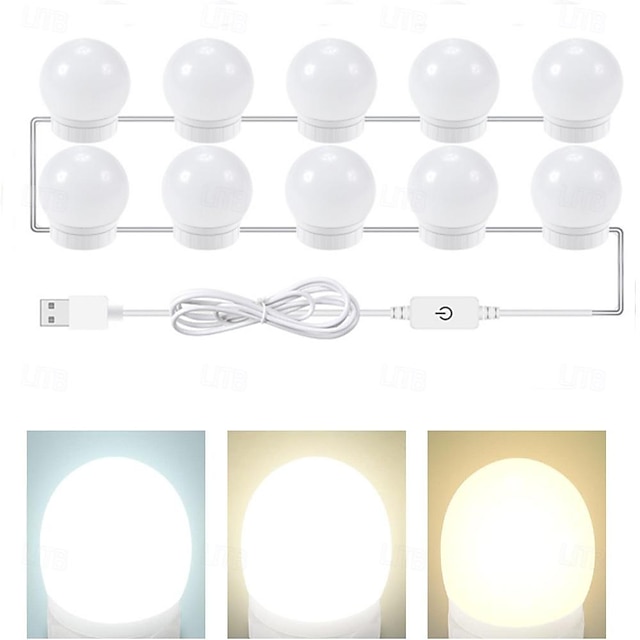
Price checked Oct 20, 2026 · US/USD. Price, availability and options may change.
View on LightInTheBox